Wednesday, October 15, 2014

PLANT SOURCES OF PROTEIN and HOW MUCH PROTEIN DO I NEED?


Animal sources of protein are well known and the word "protein" is often meaning only meat, dairy or eggs. Most people eat too much of animal protein, which in some cases may not be the best choice for their health.

Therefore I made a list of some plant-based foods, which are not only good sources of protein but also contain good amounts of micronutrients such as minerals, vitamins, phytochemicals and antioxidants. It does not mean we should all suddenly become vegetarians or vegans - this is just to show that plants too can have good amounts of protein.


ADULT (with mostly sedentary lifestyle):
needs only 0.8 g of protein per 1 kilogram of HEALTHY body weight

This means 70 kg (11 stone) person should aim for 0.8 x 70 = 56 g of protein per day.


CHILDREN:
from 0.95 x healthy weight (KG) to 1.52 x healthy weight (KG) = protein daily in grams

This means 20 kg child should have  19 - 30.4 g of protein daily, depending i.e. on physical activity.


PREGNANT AND LACTATING MOTHERS:
about 1.10 x healthy weight (KG)  = protein daily in grams

This means 60 kg mother who breastfeeds her baby should have about 66 g of protein daily.


PROTEIN IN VEGETABLE


1 large avocado – 10g

1 cup of broccoli – 5g

1 cup of spinach – 5g

2 cups of cooked kale – 5g

1 cup of cooked green peas – 9g

1 cup of cooked sweet potato – 5g


PROTEIN IN LEGUMES


1 cup of soya beans – 28g (only properly fermented soya is considered safe for health - tempeh, miso, natto, tamari)

1 cup of lentils – 18g

1 cup of baked beans – 15.5g

1 cup of chickpea or hummus – 14.5g

1 cup pinto, kidney or black beans – 13 to 15g

1 cup od peanuts – 6.5g


PROTEIN IN NUTS and SEEDS


30g hemp seed or powder – 11g

1 TBSP almonds – 4g

2 TBSP nut butters (almond, peanut, cashew) –  around 8g

1/4 cup walnuts – 5g

30g cashew – 4.4g

30g pistachios – 5.8g

30g sesame seeds – 6.5g (as Tahini - 8g)

30g (3 TBSP) poppy seeds - 5g


PROTEIN IN GRAINS


1 cup corn - 15g

1 cup Quinoa – 9g

1 cup cooked buckwheat - 6g

1 cup oat flour – 6g

Sprouted grain bread – 7 až 10g

1 cup brown rice – 5g


Compare with some animal sources:

100g (half cup) full-fat milk - 3.2g

100g yoghurt - 3.5g

100g cheese EDAM or GOUDA (average 5 thick slices) - 25g

100g FETA cheese - 14.2g

100g parmesan ( 1 cup grated) - 38.5g

100g cottage cheese - 11g

1 medium egg - 6.3g

100g sausage – 14g


How easy it is to overeat on protein!

150g chicken breast - 45g

150g turkey breast - 33g

200g lean beef - 30g

150g salmon - 30g

130g tin of tuna - 36g


Sources


Rolfes et al 2006 (CNM lectures)
http://www.naturalnews.com/036270_vegan_protein_legumes.html
http://foodmatters.tv/articles-1/top-6-plant-based-proteins
http://nutritiondata.self.com/
Higher Nature Newsletter Sep 2012 page 5: Do you have perfect protein balance?

Monday, May 26, 2014

Make your own moisturizer - very simple!


Why to make your own?

  • to avoid endocrine toxins in form of synthetic chemicals such as parabens, synthetic fragrance, sunscreens and their mixture
  • to avoid endocrine toxins leaching from the plastic jars
  • to make sure well known endocrine disruptors are not replaced with less-known chemicals in "paraben-free" products (read the labels - if its something you do not recognise, do not buy it)
  • to save money (at least from time to time :-) on quality but expensive natural-brand products
  • to keep the good advise: "Do not put anything on your skin you would not put in your mouth."
  • to add own personal mix of essential oils
  • there are also claims that avocado, cacao and coconut butters have natural sunscreens (tried and tested: we never got burned during 3 weeks in Croatia in August... but also: strictly avoided mid-day sun between 11am - 14pm, applied liters of oils twice daily, had high anti-oxidant diet many months before and during the holiday)

EXAMPLE OF INGREDIENTS:

Raw or virgin coconut oil (food quality)
Raw cacao butter (food quality)
Virgin olive oil (food)
Essential oils (pure - food quality)


I never use water and emulsifiers - this requires a more sophisticated way of preparation and needs to be done correctly - introduction of water brings the danger of mold and need of preserving the product. Good quality butters can last couple of years without going off.

PHOTO RECIPE:

Sterilize some glass jars using boiling water.
 
Estimate required amount of butters and oils. 

More olive oil will make the product softer and oily - probably better for dry skin.
More coconut oil will make it lighter and is more suitable for normal skin.
More cacao butter makes it more suitable for lips and hands but also as a whole body "lotion".
For oily skin try to use essential oils such as tea tree or grapefruit seed oil (avoid putting these near the eyes!).

Sterilize the heat-proof jar and put it into water-bath. If you want raw quality (more nutrients preserved), do not use water over 50C. Cover up with the lid or with plastic to keep the heat in.  It can take over an hour to melt, depending on amount, type and ratio of butters.

Melt the butters - stir occasionally to speed up the process.

When well melted, add olive oil and few drops of chosen essential oils.


Pour into prepared jars.

This time I have underestimated required amount and with the ingredients shown on the photos above I only filled up just over a half of the old jam jar :)

I forgot the jar out for too long- it solidified very slowly and formed the crystals.


Its probably better to place the jar with warm liquid to the fridge straight away, to achieve smooth consistency. I had to re-melt it again, I also used cappuccino mixer and added few  more drops of essential oil for stronger fragrance. My latest favourite essential oil mix is mellisa with citronella!


Before re-melting.
Second time it solidified into perfectly smooth consistency.

If you are using this type of moisturizer for the first time,  its good to know that it takes some time for butter to get into the skin layer - be patient - if you cannot wait, dry-off the excess oil with your palms, forearms (too good to waste!) or use some tissue paper.

If your experiment won't work as expected, you can always melt it again or use your home-made product on body rather than face.


Wednesday, February 5, 2014

GRAIN-FREE nutty-muffins recipe


Ingredients for about 10 muffins:

2-3 large eggs
4 handfuls of nuts {walnuts and pecans are best - other nuts, ideally, need to be soaked & dried & ground first}
1 handful of currants, raisins, sultanas or mixed fruit
1 handful of dates, adjust amount for sweetness
1/2 cup of melted fat {coconut or ordinary butter are ideal}

1 TSP bicarbonate soda
A pinch of salt
Some water/juice/liquid may be required


Optional: add cinnamon, vanilla, organic lemon grind or juice


Photo recipe:


Soaking nuts for several hours helps to get rid of anti-nutrients and activate nutrient release


Dry off soaked nuts

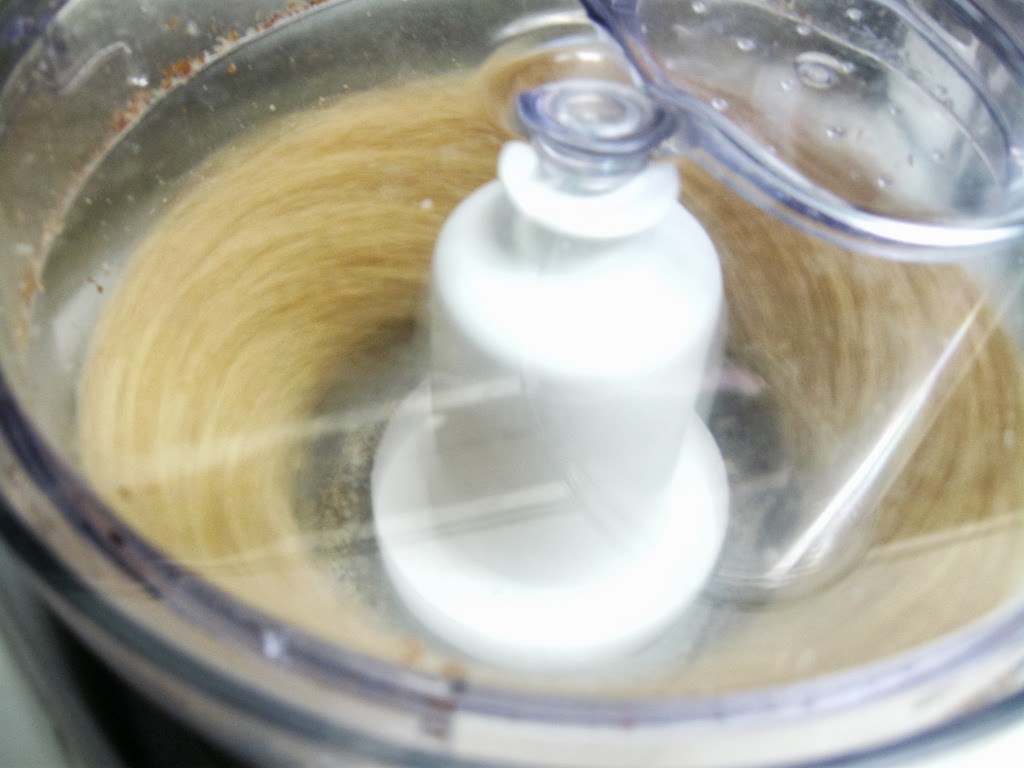
Blend the nuts

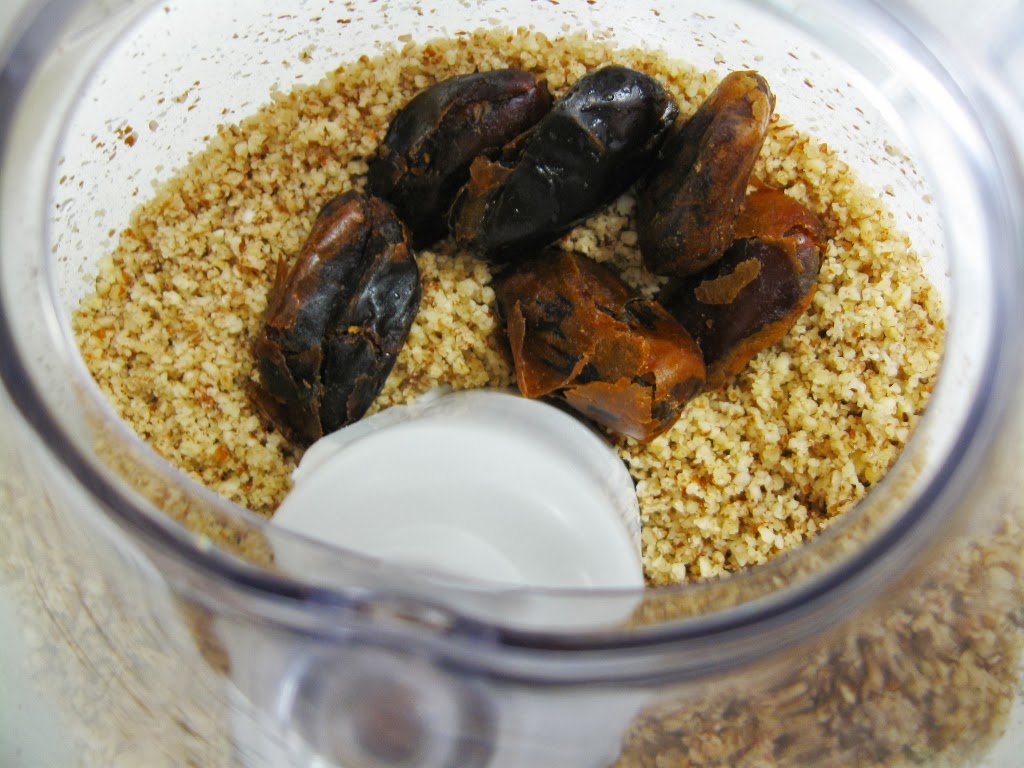
Add dates

Chop dates to required consistency
Mix the rest of ingredients

Add optional spices, seeds, vanilla or lemon grind

Mix together adding little water if too dry.
Fill the muffin cases and place into preheated oven to about 150C or gas mark 4.
Bake for about 15 minutes and check if ready.


LOW-grain or NO-grain cake and muffins

This cake can be made without flour

Ingredients per 1 person / 4 pieces:

1 large egg
2 handfuls of nuts {walnuts and pecans are best - other nuts, ideally, need to be soaked & dried & ground first
1 handful of currants, raisins, sultanas or other mixed, chopped dried fruit
4-5 TBSP melted fat {coconut butter or ordinary butter are ideal}

1/2 TSP bicarbonate soda
A pinch of salt
Some water/juice/liquid may be required if egg is too small or if flour is used

Optional:  3 TBS gluten-free flour
Optional: cinnamon, vanilla, organic lemon grind, nutmeg spice, seeds
For extra sweetness - try Xylitol, stevia, honey or just more dried fruit.


Walnuts/pecans are soft enough to be crushed by hand

Melt the butter and mix with egg to emulsify
 
Mix all the ingredients together


Adding flour is optional

Place into greased baking dish and bake in preheated oven at 150C for about 20 minutes.

You can use the same mixture for making muffins instead.
 
This cake had added poppy seeds


Friday, August 2, 2013

SOURCES OF GLUTEN

Picture source: wikipedia/Gluten

What is gluten?

Gluten is a complex protein molecule, forming both strong and elastic material, which is a natural part of many grains. It is found in grain endosperm, starchy middle part of the seed, where it forms the water-insoluble protein portion.

The major part of wheat gluten consists of gliadin and glutenin, rye gluten is mostly formed by secalin and in barley it is called hordein. Maize contains zeins which evolutionary developed separately from other grains and usually do not cause problems. Similarly, avenins in oats can be eaten safely by about half of celiac patients – the problem is usually due to contamination of oats by other grains.

The most suspicious in causing health problems is wheat gluten – gliadin – often classified as cytotoxic protein. If not digested properly, it can be harmful to both coeliac and non-coeliac people.

Gluten in wheat flour is very desirable for baking – it helps bread, rolls and cakes to rise and keep them light, airy and soft. This is the main reason why the commercial bread making and baking industry requires flour with high gluten content. New wheat hybrids were therefore over decades designed to have much higher content of gluten than older versions.


Gluten sensitivity and Coeliac disease (US spelling celiac)

Gluten sensitivity (also called non-coeliac gluten intolerance/sensitivity, NCGS) is a different type of problem than coeliac disease but both seem to be on the rise. This is very likely due to frequent use of modern wheat products (see the table below) but other causes, such as use of herbicide glyphosate (also known as RoundUp) for drying the crops, are not excluded.

 Wheat flour seem to be on the menu more-less all day, every day - toast for breakfast, croissant for snack, sandwich for lunch, biscuits with tea and pizza or pasta for dinner. Most of soups, sausages and batters are wheat based too. Such diet can trigger series of troubles, even if we do not have coeliac genes (and such genes are found only in about 80% of coeliac patients). Moreover, wheat proteins are present in many ‘healthy’ bars and drinks, cosmetics and soaps and even medical plasters and tablet coatings. This is because modified hydrolysed protein is easily soluble in water, it’s cheap and have many practical uses in both food and non-food industries.

Undigested parts of gluten can irritate delicate lining of digestive tract and cause reactions of various severities. Some people can experience only temporary inflammation and slight discomfort, others can develop coeliac disease. Symptoms can be very similar, and blood test for gliadin antibodies and other markers (TTG, DGL, EMA) do not always show presence of typical coeliac disease. This is usually diagnosed only after the lining of the intestine is already badly damaged (stage Marsh 3-4).

The main difference between coeliac disease and non-coeliac gluten intolerance is the fact that full-blown coeliac is autoimmune reaction, where presence of gliadin switches on the immune reaction against its own cells and tissues. Certain type of immune reaction can also happen in non-coeliac gluten intolerance, but its character and immune cells involved are completely different. The reactions can also happen in other parts of body tissues, i.e. skin exposed to cosmetics with wheat protein as an ingredient.

Symptoms

As mentioned before, both coeliac disease and non-coeliac gluten intolerance are able to cause inflammation. Inflammation of intestine can lower the ability to absorb nutrients from food. Typical coeliac disease completely destroys intestinal lining and the ability to absorb nutrients becomes very low. The early symptoms can vary depending on which nutrients become depleted first.

Digestive symptoms – intestinal cramps, pain, discomfort, diarrhoea or constipation, lactose intolerance, dairy protein intolerance, bloating, dysbiosis

Neurological symptoms – dizziness, pins & needles, headaches, migraines, brain fog

Skin & mucosal symptoms – hives, swellings, itchiness, aphtous ulcers in mouth, dermatitis, hayfever and sinus blockage

Other – fatigue, anaemia, loss of weight in children, lethargy, inflammation, muscle pains, period pains, low immunity, thyroid problems, and depression

Long term complex problems – CFS, Crohn’s disease, diverticulitis, osteoporosis

If you suspect possibility of gluten connected to your health problems, try to avoid it for a short period (3 days – 1 month) to see any improvements. It can take different amount of time for different people.

However, if you suspect full-blown coeliac disease, for example you also have a family history of coeliac, it is best to do all the tests before starting gluten-free diet. Otherwise the markers for coeliac may not get detected in your blood and this could postpone possible diagnosis.

Avoiding gluten does not need to be as hard and inconvenient as it seems at first. Try to look at the situation from different perspective – take it as a chance to enrich your diet, add more nutrient-dense foods (not calorie-dense), more taste, try new foods and gluten-free grains you would otherwise ignore or return to traditional wholefoods our ancestor eat and thrived on.


SOURCES OF GLUTEN

Wheat – white/plain flour, wholemeal flour

Bread and other bakery products (cakes, biscuits, croissants, rolls, pastries…)

Older types of wheat:
Spelt, Kamut, Einkorn, Emmer, Dinkle, Bulgur
Monoccum and Faro has shown the least harmful effect.

Semolina

Pasta
(including egg pasta)

Cous cous

Rye – flour and products
Barley - including beer and malt, malt extract

Oats - contaminated by other grains

Seitan – vegetarian meat replacement

Spirits – here it depends greatly on their purity

Foods containing „protein isolate“

Soy sauce (unless gluten free such as Tamari)

Sauces – ready made, tinned, most from restaurants

Soups – ready made, tinned, most from restaurants

Meat products – sausages, ham, salami, most crab meat, some fish fillets, fast food meats

Chewing Gums
(Wrigley, Orbit, Winterfresh are without gluten according to manufacturers, with other gums it is recommended to ask the manufacturer)

Protein bars
Muesli bars

Ice-cream (with emulsifiers and stabilisers)

Spices (ground with anti-caking agents)

Milk replacements
Rice and soy milk (unless gluten free – NOTE : these often contain damaging vegetable oil, soy milk is not healthy for other reasons)

Modified starch
Modified protein
Hydrolysed vegetable protein
(these can be from wheat)

Coffee – flavoured, cereal

NON- FOOD

Cosmetics and soap with wheat protein

Postal stamps  and envelopes

Coating on some sweets and tablets

Emulsifiers – some are made of gluten

Dog & cat food

Cigarette filters

Adhesive tapes including medical plasters

Some textiles and leather

Sources:

www.celiac.cz/?article=24
www.glutenfreediet.ca
www.celiac.com
Divergence of gut permeability and mucosal immune gene expression in two gluten-associated conditions: celiac disease and gluten sensitivity
The Oslo definitions for coeliac disease and related terms
Environmental factors of celiac dise... [J Gastroenterol Hepatol. 2007] - PubMed - NCBI
Wheat gluten in food and nonfood systems

Saturday, May 11, 2013

Raw Vegan Pesto


Ingredients:

1 cup (150ml) soaked raw cashew nuts
1 bunch of fresh Basil herb with stems
2 cloves of garlic 
6 tbsp virgin olive oil
Himalayan salt and freshly ground black pepper to taste

The amount of pesto you can process can be limited by the size of your food chopper – in a larger bowl you may need to use more nuts; otherwise it can be difficult to blend them properly. The above amounts were processed in approximately 1l large chopper bowl. 


Method:
  1. Soak cashews several hours (up to half a day) beforehand. Change water few times. This step not only softens the nuts but also neutralises anti-nutrients, present in dormant seeds. 
  2. Rinse Basil and chop the stems to 2-3 parts to make it easier to mix.
  3. Chop or grate the garlic to tiny pieces and leave to stand 5 minutes to activate health promoting compounds. 
  4. Put all ingredients into the chopper and process until even mixture is formed. 
  5. Eat fresh and if need to store, place into glass jar, add more olive oil to cover the top and close tight. 

Variations:
Instead of cashew try to use pine nuts, walnuts, almonds, Brazils... Add different herbs in smaller amounts (together with Basil).


Serving suggestion:
Instead of usual pasta, this pesto tastes great with steamed cauliflower. You can use whole pieces of cauliflower or put them into the chopper (no need to wash after making pesto) to make mash (see picture). If you prefer something slightly more similar to traditional pasta/pesto, use buckwheat instead and add lots of fresh tomatoes, avocado and instead of cheese try to grate couple of Brazil nuts on the top.

UPDATE
I tried to use walnuts and sunflower seeds, soaked for half an hour, but this combination did not taste as good as cashews. The quality was more greasy and thicker, closer to shop-bought product than fresh home-made.

This can be due to higher amount of fat in sunflower seeds and walnuts. Cashews have more carbs and taste sweeter rather than fatty.

100g sunflower seeds - fat 51g - carbs 20g - protein 21g
100g walnuts - fat 65g - carbs 14g - protein 15g
100g cashews - fat 44g - carbs 33g - protein 18g


Thursday, April 25, 2013

Free vitamin D is best !


Spring in the mountains

Who is at risk of low vitamin D?

  • Children born to mums with low level of vitamin D. 
  • People with darker skin tones – pigment melanin stops UVB rays penetrating the skin and this is needed to make vitamin D. 
  • People who avoid sun exposure or those who do not have time to get outdoors often enough. 
  • People who do spend enough time outdoors but 
  • cover up their skin with UV filters, also found in most ‘anti-ageing’ moisturisers and make-up 
  • cover up most of skin with clothes 
  • after each sunbathing wash most of their skin with soap 
  • usually wear sunglasses – it is thought that there is some connection between light frequency signal in the eye and formation of vitamin D
  • People with an excess weight. Fat cells can soak up the fat-soluble vitamins and keep them locked, while there is less available in blood stream.
  • People with absorption problems such as those with Coeliac or Crohn’s disease, cystic fibrosis and also during long term stress, which lowers excretion of digestive juices including bile, crucial for fat emulsification.
  • People with kidney disease have problem to convert inactive D from food or supplements to active form. 


Signs and symptoms of vitamin D deficiency

  •  The most extreme form is rickets, softening of bones. It is known mostly as malnutrition disease from the past but in recent decades we can see rickets returning and number of cases rising. Although vitamin D is the main missing vitamin, forming of healthy bones also depends on other nutrients such as another fat-soluble vitamin K2, minerals in food, mainly magnesium, silica, boron and organic forms of calcium.

  •  Immune system malfunction – from frequent colds and flu, asthma, eczema, to autoimmune diseases such as arthritis and multiple sclerosis and even cancer.

  • Osteoporosis and osteopenia – vitamin D is known to help absorption and processing of minerals such as magnesium and calcium, important for bone building.

  • Low vitamin D is a risk factor in heart disease and diabetes. Also, there is a connection with low thyroid hormones – vitamin D is more hormone-like substance and any low hormone can skew up the rest of hormonal balance.

Vitamin D as immune balance regulator
A 2010 study on 400 school age children has shown that those who took 1200 IU of vitamin D3 during the flu season (December-March) had 42% less cases of flu virus (8).
In 1994 study 20,000 people were followed during 6-year period and respiratory problems (such as cough and cold) were observed. It was found that low level of vitamin D in blood correlated with more respiratory problems. 24% of people with level of 25(OH)D below 10ng/ml had respiratory infections, while those with level of from 10-30ng/ml had respiratory infections in 20% cases and those above 30ng/ml had problems only in 17% of cases. It would be interesting to see, if even higher level of 25(OH)D would manage prevent infection even further.

netterimages.com

Th1 and Th2 are types of lymphocytes, also called T-cells and T-helper-cells, lying on the opposite ends of ‘immune swing’. T-cells are responsible for cell-mediated immunity (unlike different type, "antibody-mediated" immunity).

If the amount of one type of T-helper cell increases, the amount of other type automatically drops. Examples of situations when Th1 are called upon are during fighting off intracellular bacteria, mycotoxins or cancer cells. Th2 fight bacteria and parasites outside of cells and in the blood stream.

If Th2 become too active, this results in increased allergic reactions, asthma, eczema and systemic autoimmune diseases. Other side of immune swing - Th1 – drops in amount and this can cause less active natural killer (NK) cells, resulting in increased risk of infection in the internal cell environment (bacterial, viral, fungal).

If Th1 become too active, the result is autoimmunity of specific tissues (rheumatoid arthritis, multiple sclerosis, thyroid autoimmunity, Crohn’s disease, psoriasis, lupus...). However, these are often situations which can have paradoxically dominant Th2. Therefore it is important to communicate with doctors and request special tests for various types of lymphocytes. This can be very helpful in choosing the right diet, as there are some common foods and herbs which are known to support only one side of immune balance (i.e. Echinacea, green tea, quercetin).

In contrast with some other nutrients, vitamin D can balance Th1/Th2 depending on actual needs and it does not specifically support one side of immunity only. This way it has ability to influence many health problems.


What to look at when reading vitamin D tests


1. Units used – several types

· nmol/l

· ug/l (can be written as mcg/l)

· ng/ml ( ug/l = ng/ml )

· pg/ml a pmol/l – used for 1,25(OH)2D


2. Forms of vitamin D

· D2 (ergocalciferol)

· D3 (cholecalciferol)

· D2 + D3 = total D

D3 – is made from cholesterol in the skin on exposure to sunlight. This is an active form of the vitamin. Tests for total D give us useful information about serious deficiency but they do not tell us exactly how much of usable form of vitamin we have and if we already reached the optimum level.

· 25 hydroxyvitamin D - 25(OH)D

· 1,25- dihydroxyvitamin D - 1,25(OH)2D

25(OH)D is a form of vitamin D considered most accurate for testing in majority of people. Exceptions are blood samples of people with osteoporosis – they do not seem to convert enough D to 1,25(OH)2D form. It is thought this is due to deficiency in magnesium and boron. Their test can therefore show as false negative for existing deficiency.

1,25(OH)2D is a part of active form with very short half-life of only 14 hours. This amount can artificially increase in case of very low level of D – when activation of PTH (parathyroid hormone) happens and rises conversion 25(OH)D to 1,25(OH)2D.


3. Values for deficiency, normal and optimum


TOTAL 25(OH)D – differences in literature


nmol/l
ug/l = ng/ml
Deficiency (4)
<50 nmol/l
<20 ng/ml
Deficiency (3)
<63 nmol/l
<25 ng/ml


Normal (4)
>50 nmol/l
>20 ng/ml
Normal (3)
>63 nmol/l
>25 ng/ml
Normal (2)
97-250 mmol/l
39-100 ng/ml


Optimum (1)
>75 nmol/l
>30 ng/ml
Optimum (3)
80-120 mmol/l
32-48 ng/ml
Optimum (2)
175-250 mmol/l
70-100 ng/ml


TOTAL 25(OH)D - table by Nutri (6)

nmol/l
ug/l = ng/ml
Deficiency
<50 nmol/l
<20 ng/ml
Below normal
52-72 nmol/l
21-29 ng/ml
Optimum
75-150 nmol/l
20-60 ng/ml
Toxic
>374 nmol/l
>150 ng/ml

Reference tables for D3 are not available as each laboratory has its own ranges which they consider normal.


Why there are such large differences in recommended values?

Many recommended values for vitamin D (both daily intake and blood levels) were taken from historical information based on the lowest amount of vitamin needed to prevent the most serious symptom – rickets.

It is now known that vitamin D functions in more similar way to our hormones, rather than the vitamins. It helps to keep immune balance, mineral absorption balance and can also directly interfere with our genes. Optimal levels of cholecalciferol (D3) were shown to reduce risk of cardiovascular diseases, diabetes, osteoporosis and cancer.

It is becoming more widely accepted today that rickets is not the only problem caused by low blood levels of vitamin D and therefore the recommended values have been accordingly adjusted by some medical establishments around the world but not by all.

It is also important to realise that ‘normal’ values just mean prevention of known illnesses but ’optimal’ values can actually mean more than just prevention. Absence of symptoms does not necessarily mean that our health is optimal. Many problems develop slowly over the years, such as in cases o many cancers, where it can take decades for any symptoms to show up.


Sunset near Ullapool

Free vitamin D is the best !

As I mentioned before, vitamin D is known to act more like a hormone rather than a vitamin. Too much of hormonal action is not always the best but once depleted, it is very hard to get the levels up.

The best source of vitamin D is sunlight on the skin, which should not be covered by clothes or skin products with UV filters. Formation of D in this way is self-regulating and body stops producing it when there is enough. We also need to have sufficient levels of cholesterol and sulphur in our skin to produce vitamin D from light. About 20-30 minutes daily over the Summer months is enough for most people. For the Winter months and for people living in colder darker regions of the world, the nature offered sources of D in form of fish liver (we polluted it to the extreme its not completely safe any more) and animal foods such as butter, meat and eggs. However, if the animals are farmed and kept inside, the amount of D they produce may not be sufficient.


Supplements

D3 – cholecalciferol (not D2 - ergocalciferol) is direct active form. The best form is sublingual spray, tablets or drops as these are not affected by absorption in digestive tract and get into the blood by absorption through the mucosa of the mouth. If taking ordinary tablets, it is important to have them with food which contains some fat.

Amount needed is individual and depends on existing blood levels, personal risk factors, time of the year and climate. Therapeutic levels need to be taken along with other nutrients. Vitamin D will increase absorption of minerals such as calcium, and this may not be desirable in some case. Always test and speak to an experienced health professional.

SOURCES

1. http://www.powerofvitamind.com/diagnosis_of_vitamin_d_deficiency.html
2. J.E.Williams, K.Gianni - How to Read Your Blood Tests. Renegadehealth.com (2010)
3. Nutri Clinical Application Series (2011) Immune System Balance / Lecture Notes
4. http://www.vitamindtest.org.uk/vitamindbackground.html
5. http://emedicine.medscape.com/article/2088672-overview
6. Nutris Guide to Vitamin D Range – Clinical Guide Series
8. Urashima, M et al (2010) Randomized trial of vitamin D supplementation to prevent seasonal influenza A in schoolchildren, American Society for Nutrition.
9. Ginde AA, Marshbach JM, Camargo CA (2009) Association Between Serum 25-Hydroxyvitamin D Level and Upper Respiratory Tract Infection in the Third National Health and Nutrition Examination Survey Arch Intern Med. 2009;169(4):384-390